
Most people plant a young tree the same way: dig a hole, plant it too deep, stake it tight, pile some mulch around the base, and walk away assuming nature will handle the rest. It won’t. What happens in that tree’s first one to five years in the ground, not the next fifty, decides almost everything about how it turns out.
I’ve spent nearly five decades watching this play out in both directions. A fifty-dollar nursery sapling, with the right structural care early on, can become a landscape’s most valuable asset, shading a building, anchoring a property’s curb appeal, and standing through decades of storms.
The same sapling, planted and staked incorrectly and then ignored, can just as easily turn into a structural liability: a tree that looks fine for eight to fifteen years and then fails in part or whole, sometimes catastrophically, because of decisions nobody thought twice about at planting time. The difference between those two outcomes isn’t luck, species, or soil quality alone.
It’s almost always what did, or didn’t, happen in year one, and it takes less than five minutes to remedy.
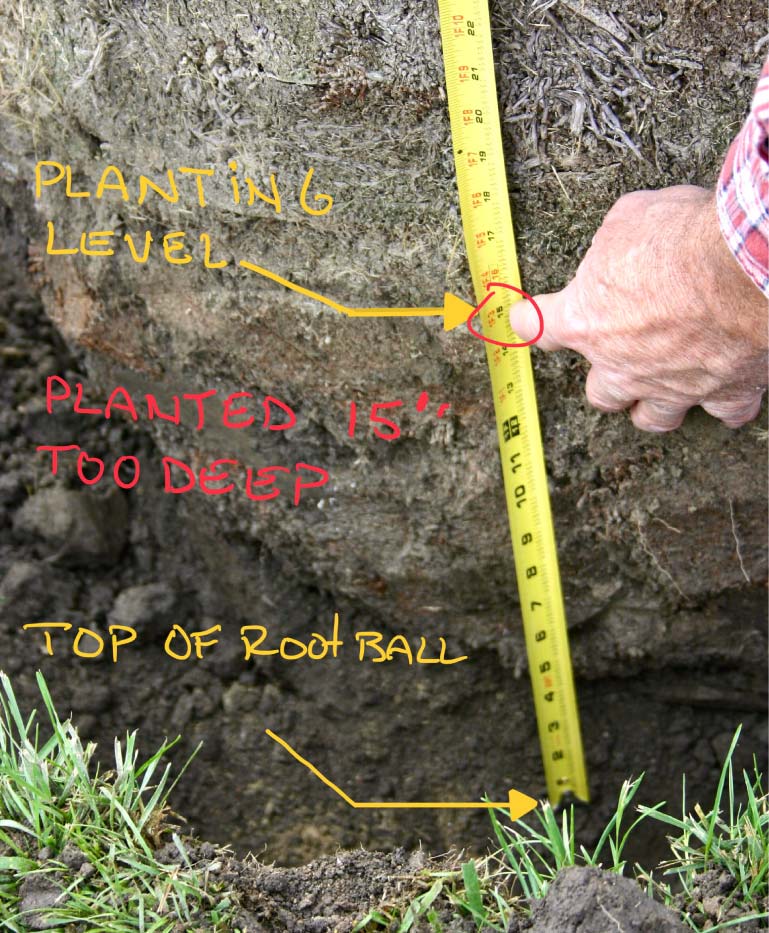
The 3 Fatal Mistakes Made During Young Tree Installation
I see the same three mistakes on nearly every site I visit, whether it’s a single residential planting or a hundred-tree commercial installation.
Individually, each one is fixable, which is exactly why pre-construction and pre-planting tree protection matters so much: catching these during the tree selection process or during installation is far cheaper than correcting them years later. Left uncorrected, structural defects compound, and by the time the tree shows visible symptoms, they are irreparable.
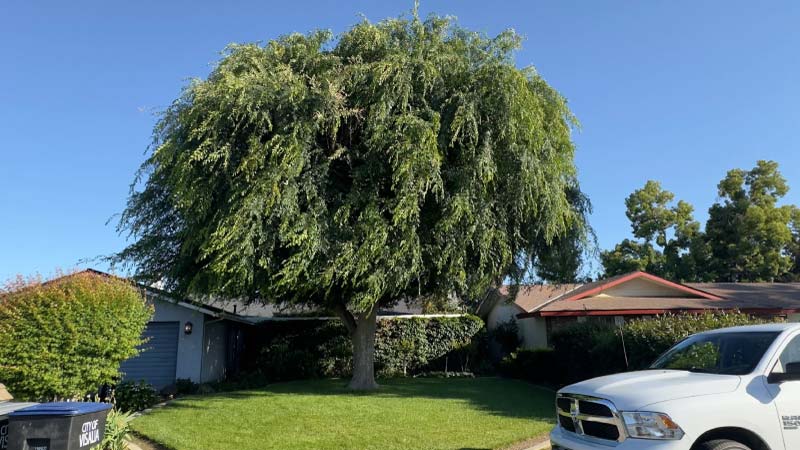
1. The Smothered Root Collar
The root collar, where the trunk flares out into the root system, needs to be visible and exposed at the soil surface. Instead, it’s routinely buried during planting, or slowly smothered afterward by mulch piled up against the trunk like a volcano.
Either way, the result is the same: bark rot at the base of the tree, and roots that begin circling and girdling instead of anchoring outward.
A tree with a smothered root collar can look completely healthy above ground for years while its structural foundation quietly fails below it.
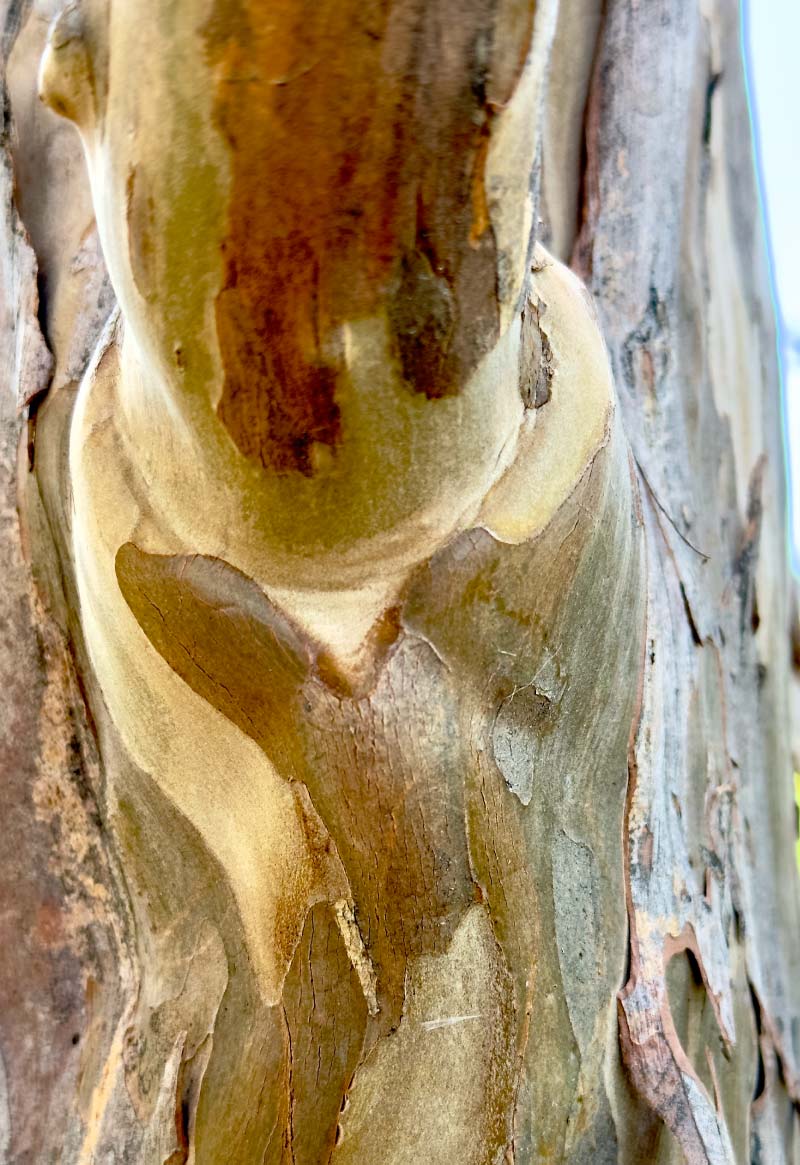
2. Rigid Over-Staking
Staking is meant to be temporary and supportive, not permanent and rigid. When a young tree is staked so tightly that the trunk can’t move at all, it never develops trunk taper, the natural thickening toward the base that comes from a tree flexing in the wind.
That movement is what builds structural strength. A tree that’s never allowed to sway during its early years grows up thin and rigid where it should be thick and resilient, and it’s far more likely to snap under real wind load later, once the stakes are long gone and nobody remembers they were ever there.
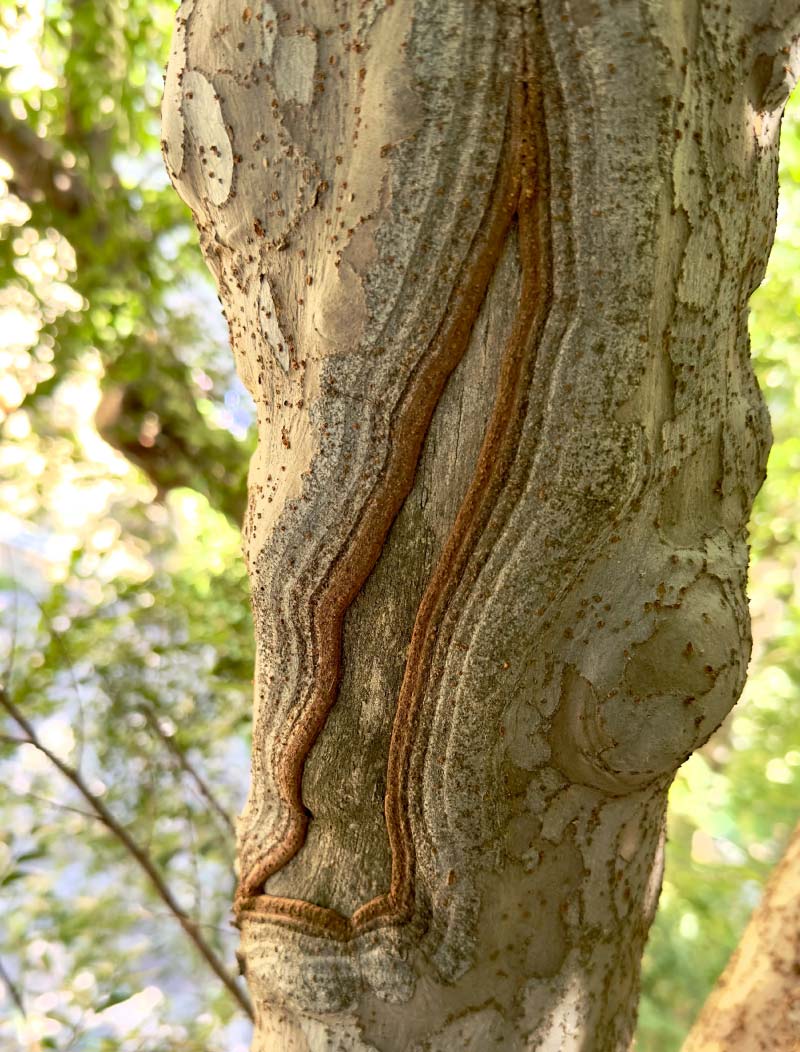
3. Nursery Tie Strangulation
This is the simplest mistake to fix and the most common one I still find years after planting: the plastic or rubber nursery ties never got removed.
As the trunk expands, some ties don’t expand with it; they cut into the bark and eventually girdle the cambium layer, the thin layer of living tissue just under the bark that the entire tree depends on to move water and nutrients. By the time it’s visually obvious, the damage to that section of trunk is often permanent.
The Dr. Alex Shigo Method: Structural Leader Training
Early in my career, I studied directly under Dr. Alex Shigo, widely regarded as the father of modern arboriculture and the researcher behind CODIT (Compartmentalization of Decay In Trees), the framework that changed how the entire industry understands how trees wall off injury and disease internally. What I took from that training shapes how I approach every young tree I work with.
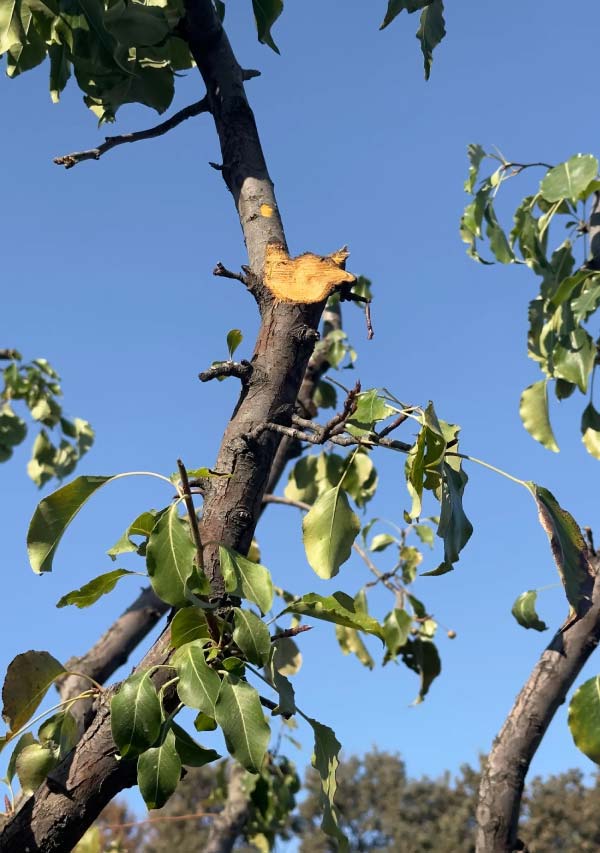
One of the most important techniques is structural leader training through early subordination pruning. Left on its own, a young tree will often develop codominant stems, two or more leaders growing at roughly equal size and a similarly tight angle from the trunk, forming what’s called a V-crotch instead of a stronger U-shaped union.

That tight V-crotch looks unremarkable for the first several years. But bark can actually become trapped inside the union as both stems grow, creating what’s called included bark, a structural weak point with no real wood connecting the two limbs, just compressed bark.
Eight to fifteen years later, under the load of a full canopy in a windstorm, that’s exactly where the tree splits, the same structural pattern I trace back to its origin whenever I’m called in for forensic tree analysis after a failure.
Subordination pruning addresses this early, while the cuts are small and the tree recovers quickly: selectively reducing the competing leader’s growth so one central leader remains clearly dominant, and the union has time to develop real structural wood instead of trapped bark.
It’s a small intervention in year two or three that prevents a catastrophic, expensive failure in year eight to fifteen.
The Economic ROI of Early Arborist Oversight
This isn’t theoretical.
On a 104-tree perimeter screen project I consulted on for a residential subdivision, the trees were failing early; planting depth, drip irrigation problems, and soil conditions were compounding each other, the same pattern I’ve seen derail plantings on far more prominent sites.
We corrected the soil levels, fixed the drip irrigation, and put a proper early structural care program in place. Over the two-plus years since, that screen has had zero tree losses.
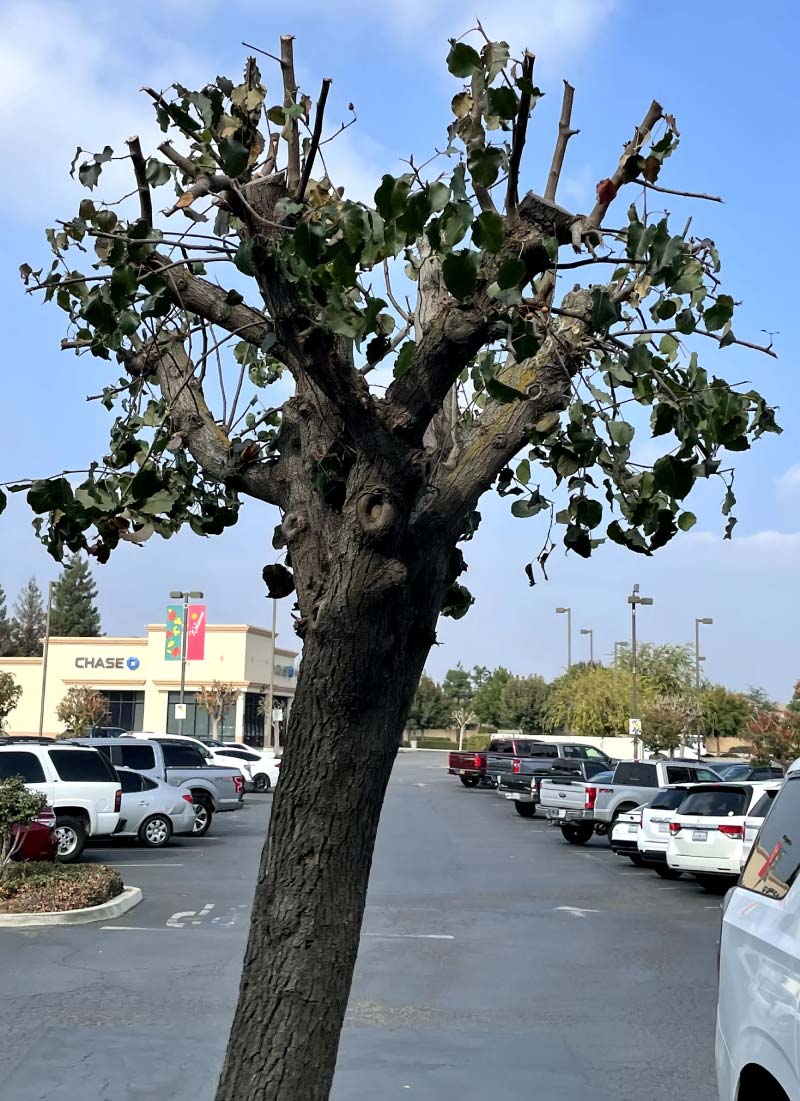
That’s the real return on early arborist oversight: not a guess about future risk, but a measurable outcome, trees that were on track to fail instead becoming a stable, long-term asset for the property. Scale that logic up, and the stakes get obvious fast.
A mature, structurally sound shade tree on a high-value estate or commercial campus can be worth tens of thousands of dollars in appraised landscape value.
That same tree, if it was mishandled early and becomes a hazard, can cost a comparable amount to remove, replace, and repair whatever it damages on the way down, plus the years it takes to grow a replacement back to a fraction of that size.
The $50 sapling and the mature, storm-worthy shade tree are the same tree. What happens in between is the entire story.
For high-net-worth homeowners, commercial developers, HOAs, and municipal park directors making planting decisions today, that math should change how early tree care gets budgeted. It’s not a nice-to-have line item after the landscape installation is done; it’s the decision that determines whether the landscape investment appreciates or turns into a future liability.
A Few Common Questions
How do I know if my tree's root collar is buried?
How long should tree stakes stay on a new tree?
Generally, one growing season, sometimes two for a larger or more exposed planting, and even then, the ties should be loose enough to let the trunk flex in the wind, not rigid. Stakes left on for years, cinched tight, are doing more harm than good by preventing the trunk from developing the taper it needs for long-term strength.
When should the nursery ties and stake be removed?
Immediately at planting, or as close to it as possible. There’s no reason to leave the original nursery stake and ties on a tree once it’s in the ground; it was sized for a container-grown sapling, not an expanding trunk, and it starts constricting growth almost right away.
What is subordination pruning, and does my tree need it?
It’s a structural pruning technique that reduces the size of a competing leader so that one central leader stays dominant, preventing a weak, tightly-angled union between two equal stems. Most young trees benefit from an evaluation within their first few years to check for this; by the time codominant stems are obviously a problem, the ideal window for an easy correction has usually passed.
How soon after planting should a tree get a structural evaluation?
Within the first year is ideal. That’s early enough to correct planting depth, staking, and early structural issues while the fixes are still small, and before any of the three fatal mistakes above have had time to cause lasting damage.
A Book, and an Invitation
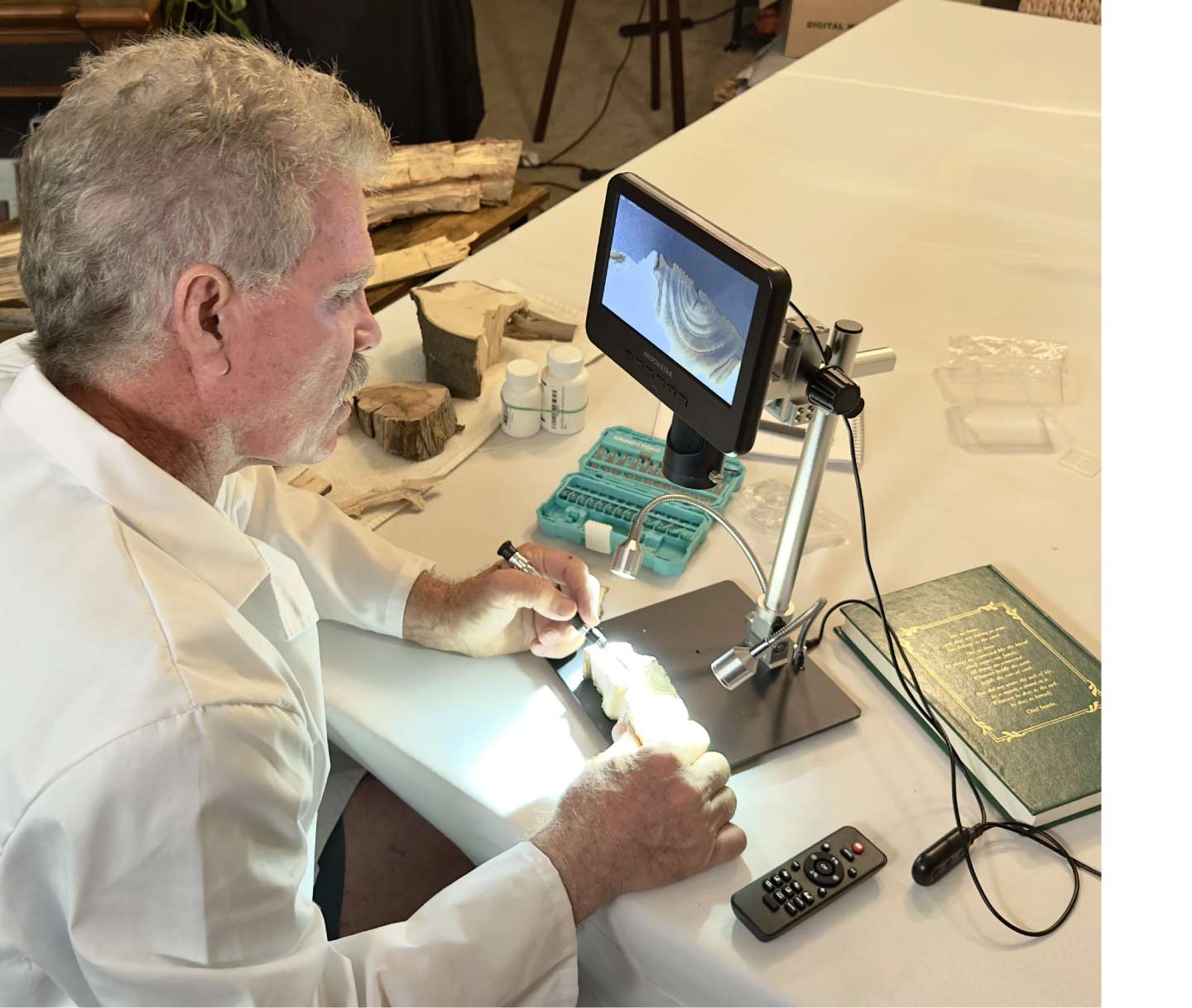
I’m currently finishing a book, Early Tree Care, built around exactly this idea: that the structural fate of a tree is set far earlier than most people, including most landscape professionals, realize, and that the fixes are usually small, cheap, and easy to miss if nobody’s looking for them.
If you’re planning new plantings for a high-value estate, a commercial campus, a subdivision, or a municipal property, the highest-leverage moment to bring in a consulting arborist isn’t after something goes wrong. It’s now, while the trees are still young enough that a small correction is all it takes: an Early-Stage Tree Evaluation & Structural Audit for new or recently planted trees, catching these structural issues while they’re still inexpensive to fix.