Arboricultural Forensics: Uncovering the Biological Truth
When a tree fails, the evidence is in the fibers.
Scott Seargeant applies 47 years of field experience and laboratory science to reconstruct the events leading to failure.
Beyond the Surface: Forensic Methodology
Arboricultural forensics is the high-level study of tree failure. It requires a deep understanding of wood anatomy, biomechanics, and environmental history. Scott Seargeant doesn’t just observe a fallen limb; he investigates the “root cause”—whether it was a latent structural defect, improper pruning years prior, or hidden decay.
By utilizing forensic tools and the SHIGO method of biological analysis, Scott provides a clear, evidence-based narrative of how and why a biological failure occurred.
Investigative Capabilities
-
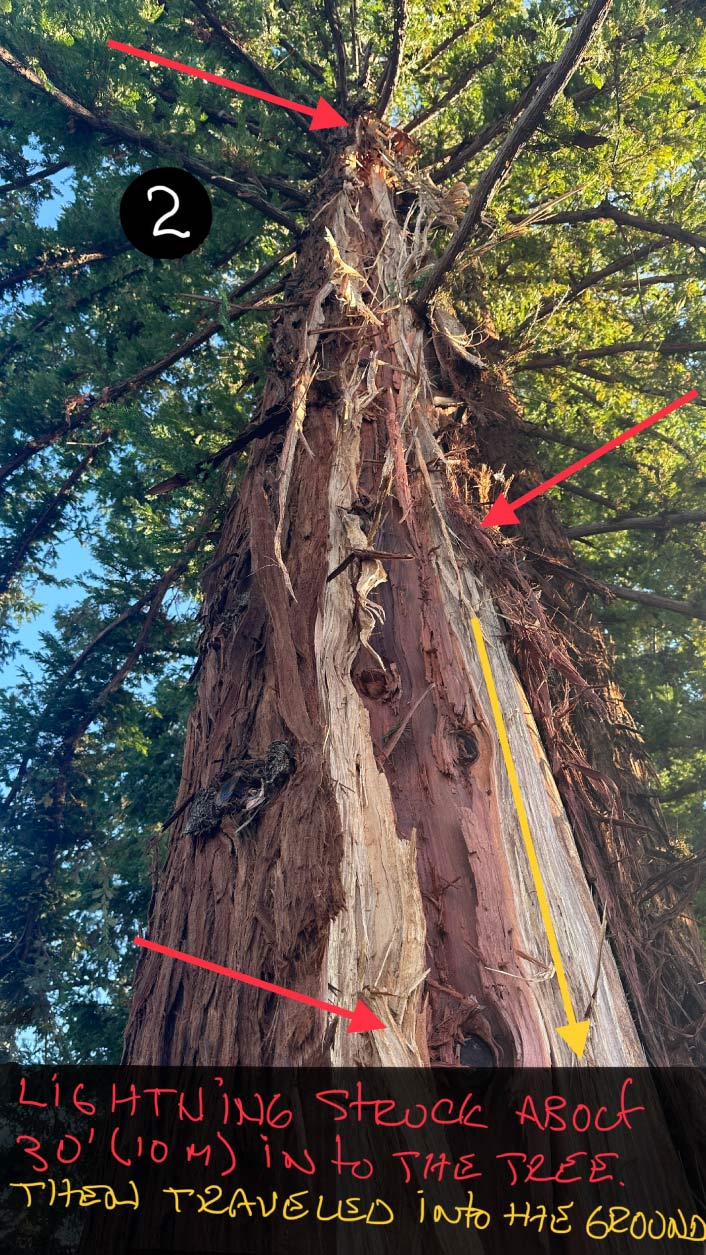
Failure Analysis & Reconstruction: Detailed study of snapped trunks or fallen limbs to determine the sequence and cause of the break.
-
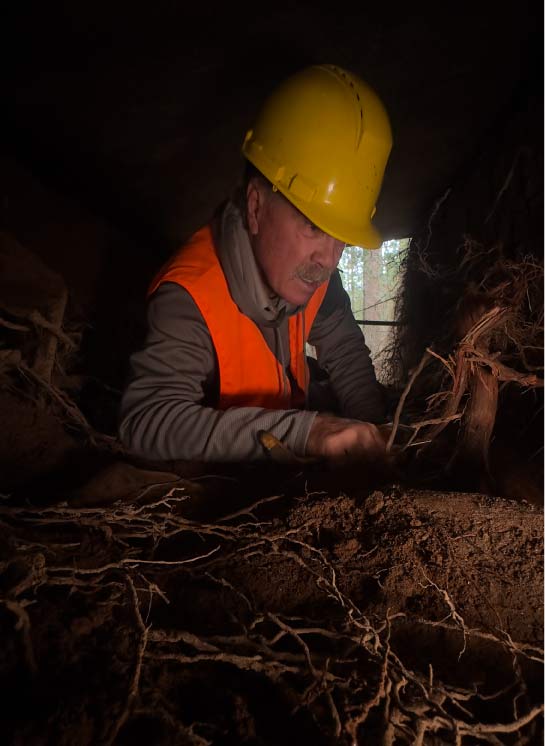
Root System Forensics: Excavation and analysis of root structures to identify stability issues or construction-related damage.
-
Microscopic Wood Analysis: Lab-level inspection of wood tissue to identify decay fungi, pathogens, or structural anomalies.
-
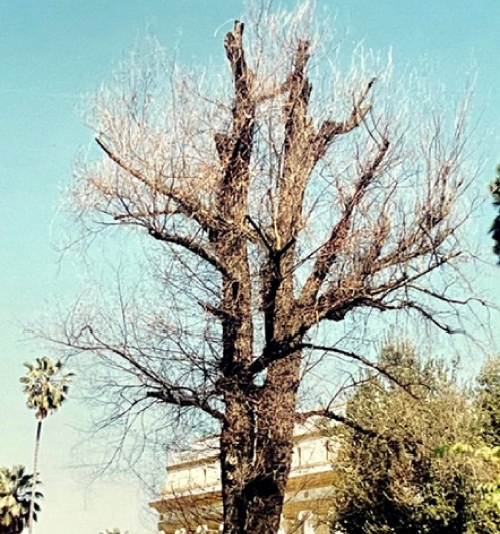
Historical Site Analysis: Reviewing years of maintenance records and weather data to build a comprehensive timeline of tree decline.
The Precision of a Arboricultural Forensic Mindset
In forensics, there is no room for guesswork. A tree failure is rarely a random event; it is usually the result of a long, documented biological process.
My job is to find the fingerprints—whether they are in the growth rings, the soil composition, or the pruning history—and present a factual conclusion that eliminates ambiguity.
Accuracy That Stands Up to Scrutiny

Laboratory Edge
We use microscopic analysis to verify pathogens and decay levels.

Forensic Rigor
Investigations are conducted with the highest level of detail for insurance and legal standards.

Biomechanical Mastery
Understanding the physics behind how trees move and break under stress.

Get a Definitive Answer
Don’t rely on assumptions. When the stakes are high, you need the forensic certainty that only Scott Seargeant can provide.